
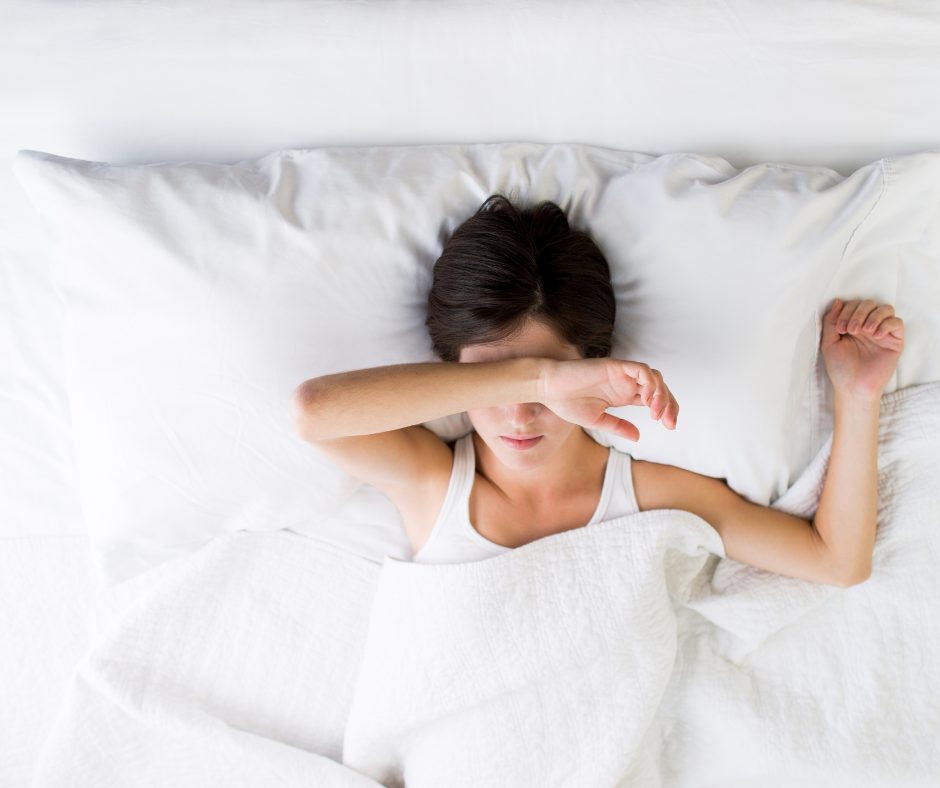
Sleep is an essential component of our health which should not be news to many people these days. Research into the benefits of sleep and how to treat sleep disorders spans the last 30-plus years in Australia, and longer in other parts of the world. It is unequivocal that good sleep helps us to restore energy and it also helps us to form our memories and allows tissue growth and repair. Inadequate amounts of sleep leads to a loss of attention, concentration, communication, decision making, creativity, and the ability to multitask. Good sleep supports metabolic health, and helps protect against dementia, heart attacks, infection, cancer, obesity, type 2 diabetes, and mental illness. We only need to look to our infants and children to note that insufficient and disrupted sleep results in irritability and difficulty with regulating mood- this occurs right across the lifespan.
What is good sleep?
Good sleep varies amongst individuals. Although it’s recommended that most adults need 7-9 hours of sleep across 24 hours, some healthy adults are OK with 6 hours and others feel they need 11 hours. You will know how you subjectively feel with varying amounts of sleep so adjust your schedule to suit your needs and ensure you obtain sufficient sleep to match your sleep needs. It is also important to realise that sleep is not one long continuous uninterrupted block. We all wake several times per night but don’t always remember every waking moment. The research is very clear that if we wake at night, sleep is likely to return, if we are not involved with competing activities such as work, social media, worrying, or other alerting behaviours. If you do wake during your sleep do not be tempted to monitor the clock, or your latest emails or notifications – in fact, keep your eyes closed and stay calm, and you will most likely drift back into sleep. If you stay awake for what feels like quite a long time (e.g 30 minutes or longer), don’t remain in bed getting increasingly frustrated. Leave the bed, keep the lights low and engage in a relaxing activity such as reading or listening to soothing music. Then return to bed when you are feeling sleepy enough and feel you are ready for more sleep. This pattern might occur a few times per night whilst you’re getting yourself trained to not lie in bed awake for long stretches.
Another fact about sleep which can help you to get adequate amounts is to understand that deep sleep occurs in the first half of the sleep period and very light sleep mostly occurs in the latter half of the sleep period. This is helpful knowledge so that they can manage their expectations about sleep and reduce the frustration of feeling that there is something wrong if there is light, dozy, dream-like sleep towards the end of the sleep rather than a sense of deep sleep. Expecting that sleep won’t be deep in the latter part of the night will help reduce frustrations.
How do we ensure we get enough of this precious elixir?
The main tricks to getting good sleep are around our attitude to sleep. It’s also universally accepted that non-drug strategies are the best for sleep rather than medications. We need to prioritise sleep, value it, learn to know what works for us and to keep the other aspects of health in check such as diet and exercise. It really is a team effort, all of the other health aspects need to work in conjunction with each other for optimal sleep. Above all we need to try not to get frustrated and emotional about sleeping difficulties. Keeping a positive attitude towards sleep is very important. As is being able to cope with the occasional poor night’s sleep. Overall, across the week and the month, you need to ensure you’re getting sufficient sleep but this may not mean you’ll get a good night’s sleep every single night. If you’re concerned and the above tips don’t seem to work for you, reach out to your doctor for a discussion on non-pharmacological strategies. The Sleep Health Foundation has some good factsheets and other information that you may find helpful. Sleep Health Foundation Fact Sheets
Dr Moira Junge,
Sleep Health Foundation