
Her Heart Key Opinion Leader Blog Series
Takotsubo
To say that the last two years have been challenging is an understatement. In addition to the impact that COVID-19 has had on our lives, in Australia, we have seen significant loss of life and property due to bushfires and floods. News reaches us from other parts of the world about devastating floods, earthquakes, and hurricanes. The Russian invasion of Ukraine and the suffering of the Ukrainian people are extraordinarily distressing, as each day we see live coverage of the worsening situation. We cannot look away, yet we feel powerless to help.
Events of the last two years have had a negative impact on health and wellbeing for many of us, some of whom have been directly affected and others that have a strong empathy toward those who are suffering. Many are stressed and anxious about what the future may bring. Most of us would recognise that these events may have a significant impact on mental health and wellbeing.
Traumatic emotional events can also have immediate and long-term effects on our heart health. Depression, stress, and anxiety can contribute to the development of cardiovascular disease and for those who currently suffer from heart disease, it has also been associated with poorer outcomes.
What is Takotsubo syndrome: ‘broken heart syndrome’?
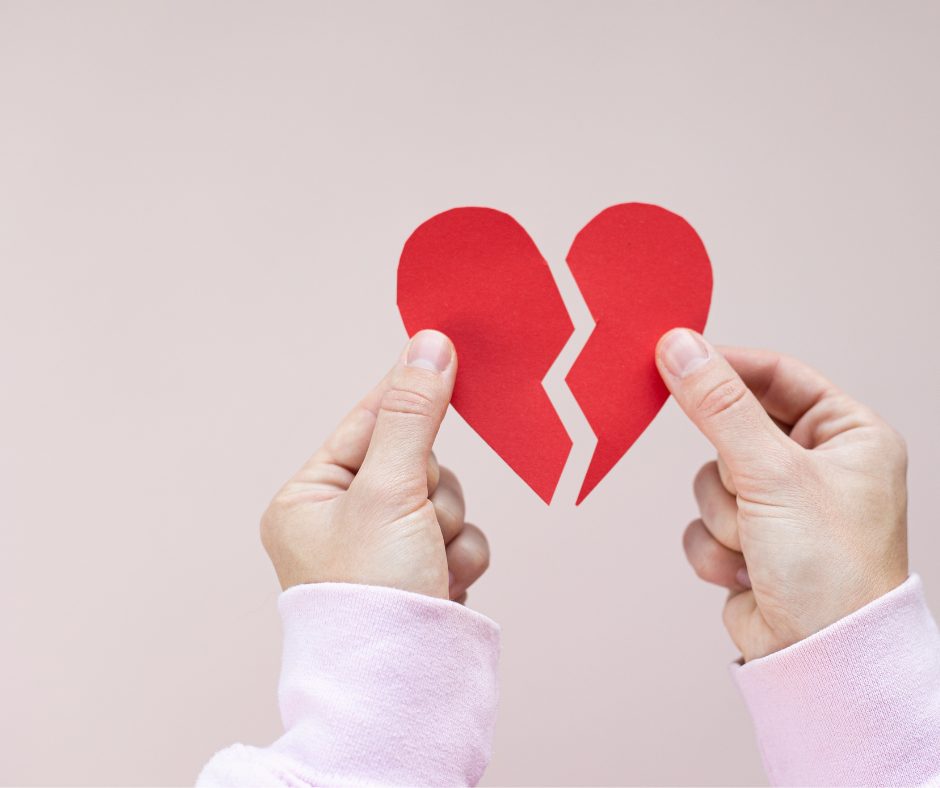
You may have heard of Takotsubo syndrome (also referred to as ‘broken heart syndrome’ or ‘stress cardiomyopathy’). Takotsubo syndrome (TTS) is usually associated with an acute emotional or physical stressor that results in the release of large quantities of stress hormones (the ‘fight or flight mechanism’) that in some people suddenly causes the heart not to pump properly.
TTS can happen to women and men of any age (including children) but is most commonly found in post-menopausal women.
Around a third (30%) of people with TTS will have an identifiable emotionally stressful event that has preceded their diagnosis. Common examples of stressors can include bereavement, relationship breakdown, stressful interactions such as an argument with family or neighbours, workplace bullying, loss of property, or threat of harm. The emotional stressor is not always something that can appear dramatic, it could be perceived by some as being relatively trivial. However, what is important is that the individual who is affected by it deems it a stressor. It is rare that the emotional event is linked to something that causes excitement such as a lottery win. In terms of risk, not everyone seems to be susceptible to TTS, and even in those individuals who suffer this kind of event – not everyone will develop TTS from the same type of stressor.
Sometimes, TTS occurs in groups of people around the world who have been exposed to the same emotional stressor, such as earthquake, flood, bushfire, terrorism, or military aggression.
 Image source: https://www.stuff.co.nz/national/nz-earthquake Image source: https://www.stuff.co.nz/national/nz-earthquake |
In Australia, cases of TTS have been published in the setting of the 2011 Queensland floods (Butterly et al. 2013) and 2019 NSW bushfires (Kristanto 2020).
In New Zealand, there was a dramatic increase in the incidence of TTS during the 2010 Christchurch earthquakes (Chan et al. 2013).
|
What are the symptoms of TTS?
The initial symptoms of TTS are the same as those of heart attack and include chest pain, shortness of breath, and less frequently, syncope (fainting or unconsciousness), or even sudden death. The diagnosis of TTS is usually made during a coronary angiogram for suspected heart attack. However, it is the absence of blockages in the arteries and the unusual shape of the heart (it creates a balloon shape) will secure the diagnosis. While TTS has the same presenting signs and symptoms as a heart attack, it has a different cause. TTS is not caused by blocked heart arteries, therefore treatments to open arteries that are used in heart attack are not useful. In-hospital management of TTS consists of supportive measures to maintain heart function, control symptoms, and reduce the risk of complications.
What’s involved in the recovery from TTS?
In most people, the heart shows significant improvement within a few days, and continues to recover thereafter. Some people have an early complete recovery, but others may have symptoms from residual inflammatory changes in the heart muscle for some months after the initial event. As TTS is not caused by cardiovascular disease, Cardiac rehabilitation (CR) may be of limited or no benefit as it is usually for those who have experienced a cardiac event, CR is aimed at reduction of risk factors and structured for secondary prevention of cardiovascular disease. Some people with TTS who have attended cardiac rehabilitation feel that they have derived some benefit from the ongoing support and the exercise program and general information on heart health, while others feel frustrated that there seems to be little understanding of the needs of those with TTS in terms of information and follow-up care.
Episodes of emotional distress are unavoidable for most of us in modern life and we all have varying levels of resilience that may fluctuate in given circumstances. It is important to recognise when our mental and/or physical wellbeing is impacted by stress, both acutely and in the longer term, and when medical assistance is needed. There are many useful resources to assist in managing stress. Health Direct (Australia) has a webpage dedicated to managing mental health in COVID-19, but the resources listed are suitable for maintaining your wellbeing in other stressful situations. Visit https://www.healthdirect.gov.au/covid-19/mental-health-and-wellbeing.
| Key Point | If you have symptoms of chest pain and or/shortness of breath or syncope, call 000 and get to a hospital as soon as you can. Any incidents of these symptoms should be investigated promptly as they may be due to a cardiac cause such as heart attack or Takotsubo syndrome. |
For more specific information on Takotsubo syndrome, visit www.takotsubo.net.
Dr Angela Kucia,
Her Heart Board member & Director
References:
Butterly, S. J., Indrajith, M., Garrahy, P., Ng, A. C., Gould, P. A., & Wang, W. (2013). Stress-induced takotsubo cardiomyopathy in survivors of the 2011 Queensland floods. The Medical Journal of Australia, 198(2), 109-110.
Chan, C., Elliott, J., Troughton, R., Frampton, C., Smyth, D., Crozier, I., & Bridgman, P. (2013). Acute myocardial infarction and stress cardiomyopathy following the Christchurch earthquakes. PloS one, 8(7), e68504.
Kristanto, W., Nayyar, D., Kadappu, K., Gibbs, O., Xu, J., Badie, T. N., … & Nguyen, P. (2020). 126 Increased Rates of Takotsubo Cardiomyopathy During the 2019 New South Wales Bushfires. Heart, Lung and Circulation, 29, S92-S93.
[/vc_column_text][/vc_column][/vc_row]