
Heart Valvular Diseases
What are the Heart Valves?
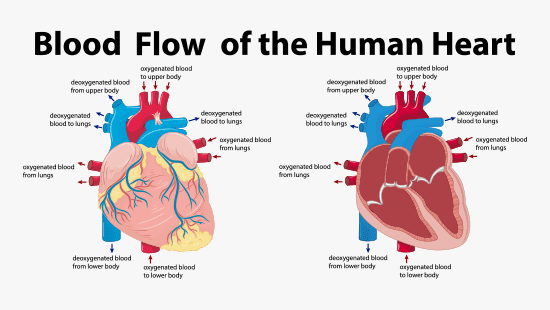
Your heart valves are four small gatekeepers which control the flow of blood in your heart every time it beats.
These valves are four small flaps which open and close with every beat.
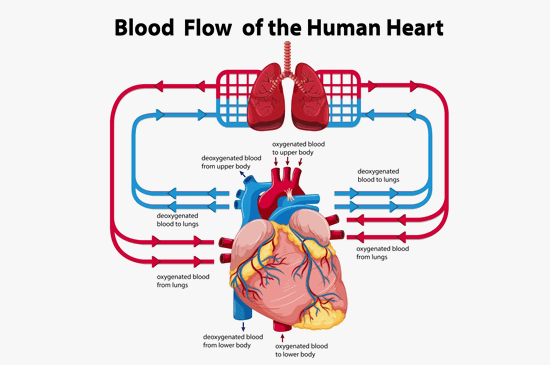
The Pulmonary and Tricuspid valves allow deoxygenated blood (blood without oxygen in it) to come back to the heart and then be sent to the lungs.
The Aortic and Mitral valves allow oxygen-rich blood from the lungs to flow into the heart to then pump to the rest of the body.
What are heart valve diseases?
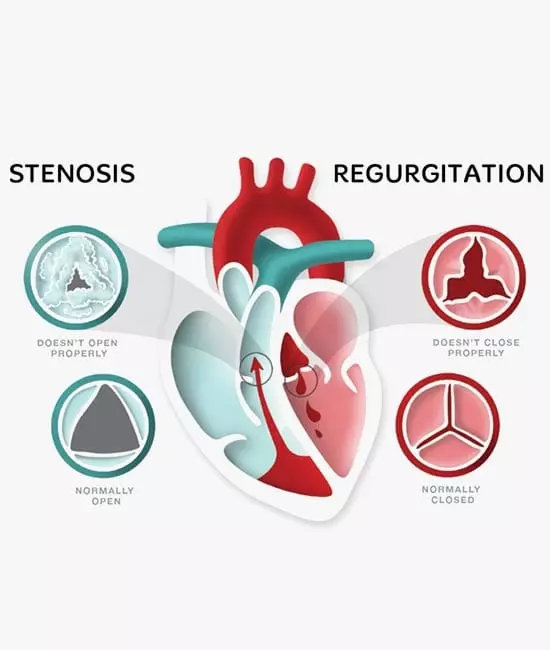
Heart valve diseases occur when your valves aren’t opening and closing properly, often due to two conditions:
Regurgitation: regurgitation is where your valves do not close tight enough, causing blood to leak back into the chambers of your heart rather than pumping forward.
Stenosis: stenosis of your valves is a condition where your leaflets on your valve can either stiffen or fuse together, making it harder for blood to flow through.
The Mitral and Aortic valves are the two valves which are commonly affected by regurgitation and stenosis.
Causes
There are many varied causes for Heart Valve disease, some are a result of other conditions, some are due to your genetic factors.
These are the most common causes of Heart Valve Diseases:
Ageing: as we grow older, we have increased levels of calcium in the body which can then sit on the valves. the valves then become thick and stiff, also known as stenosis.
Birth/congenital defects: some people are born with valves that are a different size or shape. for example, you may be born with two leaflets instead of three.
Infection: there are some infection types which can result in your valves becoming damaged. These conditions include rheumatic heart disease and endocarditis.
Heart Failure: when your heart increases in size the valve may also be impacted.
Heart attack: if you have a heart attack you can potentially damage the heart valves.
Statistics
- At least 10 valve repair/replacement procedures were performed per day on Australian women in 2015-16.
- Around 15 Australian women per day had a hospitalisation for Congenital and Rheumatic Heart valve diseases between 2015-16.

Signs & symptoms of Heart Valve Diseases
There are many signs and symptoms of Heart Valve Diseases:
- Feeling weak, tired and fatigued
- Coughing
- Rapid weight gain
- Short of breath
- Angina (chest pain)
- Swollen ankles
- Dizziness
- Fainting
- Fluttering in the chest
- Abdominal bloating

Risk Factors of Heart Valve Diseases
The risk factors for Heart Valve Diseases are similar to the causes of Heart Valve Disease:
Age: as you grow older the valves in your heart become stiffer and thicker, which can lead to your heart valves becoming diseased.
Infections in the Heart: rheumatic fever, infective endocarditis as well as infections from intravenous drug use.
Congenital heart valves: if you’re born with a valve that has two leaflets instead of three you are more likely to have a valve disease in the future.
Coronary artery disease risk factors: if you also have risk factors for coronary artery disease you are also at an increased risk of heart valve diseases. These risk factors include being overweight or obese, diabetic, high blood pressure, high cholesterol, family history of heart disease and a sedentary lifestyle.

Treatment for Heart Valve Diseases
Depending on the severity of your Heart Valve Disease, you may be able to manage your condition with medications and healthy lifestyle changes.
However, there are times where you may eventually need to consider having surgical treatment to have your valve replaced or repaired.
Medications are best taken in conjunction with lifestyle changes. Here is a list of the medications you may need to take:
- Blood thinners: These may be required if your valve problem places you at an increased risk of clotting, or if you have had a man-made valve inserted to replace your damaged valve. Blood pressure and blood cholesterol lowering medications: these medications are important if your valve issue has also occurred with high blood pressure and high cholesterol
- Antiarrhythmic medication: These medications help reduce your heart being in an abnormal rhythm.
- Heart failure medications: These can include diuretics (medications to get rid of excess fluid); typically, these medications are given to reduce the workload on your heart.
- Surgical treatments: It can be necessary to repair or replace your heart valve to not only prevent further damage but reduce the likelihood of having a sudden cardiac event.
There are different surgical options for women with heart valves that need treatment:
- Valve repair: Valve repairs are procedures where surgeons try to repair your valve without implanting a new valve. For example, your surgeon could attach devices such as annuloplasty rings to help your valve stay open. Valve repairs are commonly completed as open-heart surgery under general anaesthetic. If you have a valve repair surgery, you are at lower risk of infection and will not need life-long blood thinners, however, it is not always possible to repair a valve.
- Valve replacement: Sometimes your valve may need to be entirely replaced instead of repaired, if that is the case, a new, artificial valve will be sewn into a layer of tissue from your old valve. There are two types of artificial heart valves, your doctor will suggest which is the best option for you. The two types are biological (made from pig or cow tissue) and mechanical (made from metal). Your doctor will discuss these options as well as any changes to medications.
- Transcatheter Aortic Valve Implantation (TAVI): If you have a damaged Aortic valve, a TAVI procedure is an option your doctor may suggest. The procedure is minimally invasive, with a valve made from animal tissue being placed into your damaged valve if it has stenosed (stiffened and thickened) from calcium. A TAVI procedure is suggested for people who would be considered too high-risk for open heart surgery.
- Mitral Clip: This is a minimally invasive procedure used to repair your Mitral Valve if it is experiencing regurgitation (when blood flows the wrong way due to the valves not closing properly). In the procedure, a clip is placed on the valve (where it is not closing properly), whilst the functioning part of the valve continues as normal.
- Balloon Valvuloplasty: If your aortic valve is thickened and stenosed, your doctor may suggest a Balloon Valvuloplasty. The procedure is minimally invasive and typically involves widening your valve using a balloon. Whilst this procedure can provide some symptom relief for Heart Valve Disease, it may not cure valve disease and you most likely will need medications and possibly surgery in the future. We recommend speaking to your doctor about your options.