
Overview of Cardiac Health Information
Women from culturally and linguistically diverse (CALD) and migrant backgrounds often bring rich cultural traditions, strong family networks, and varied experiences of health and wellbeing. At the same time, many face unique social, economic, and structural challenges that can influence their heart health. These differences do not stem from culture itself but from factors such as migration stress, access to care, language barriers, and the impact of settling in a new country.
Many migrant women also take on significant caring responsibilities and unpaid work, which can limit the time available for their own health. Experiences of settlement, including navigating a new system, work insecurity, or social isolation, can further influence wellbeing.
Cardiovascular disease (CVD) remains one of the leading causes of death for Australian women, and this includes women who have migrated from countries where CVD risk is also high. For some groups, rates of hypertension, diabetes, and stroke can be higher, and risk factors may develop earlier in life. Understanding these influences can help women protect their heart health and access the support they need.
Heart Health in Perspective for CALD and Migrant Women
Australia’s migrant population is diverse, and heart health varies across communities. Research shows several common patterns:
- Higher rates of diabetes and hypertension are seen in women from South Asian, Middle Eastern, North African, and Pacific backgrounds. These conditions increase the risk of coronary artery disease and stroke.
- Some groups experience higher mortality from stroke and earlier onset of heart disease, particularly among women from South Asia.
- Migrant women may be less likely to participate in screening and preventative care, often due to unfamiliarity with the health system, competing priorities, or cultural considerations.
- Women who have migrated under difficult circumstances—refugees, asylum seekers, or those from conflict zones—may experience chronic stress, which is known to contribute to high blood pressure and other cardiovascular risks.
- Some women may have arrived from countries with limited access to preventative healthcare or regular screening, meaning conditions such as high blood pressure or diabetes may go undetected for longer.
As with all women, heart disease is largely preventable, and small steps can make a meaningful difference.
The Cardiac Health of CALD and Migrant Women
Although each community is different, studies in Australia and abroad show several patterns that influence heart health outcomes:
- Diabetes prevalence is significantly higher among South Asian, Middle Eastern, and Pacific Islander women, increasing their lifetime risk of heart attack and stroke.
- High blood pressure occurs more frequently and often earlier in life in some migrant groups, particularly women from African and Asian backgrounds.
- Women from CALD backgrounds may be less likely to recognise heart symptoms or may describe them differently, sometimes delaying care.
- Language barriers and unfamiliarity with emergency services can contribute to delays in calling for help, which affects survival and recovery.
- Some women may have limited access to culturally appropriate care, leading to unmet needs around prevention, management, or follow-up support.
- Women who speak languages other than English at home may also receive less tailored information about women’s heart symptoms, which can differ from men’s and may be more subtle.
These influences highlight the importance of tailored communication, clear information, and environments that support culturally safe care.
Barriers to Heart Health for CALD and Migrant Women
Many migrant and CALD women experience barriers that can affect prevention, diagnosis, and treatment:
- Language and communication needs can limit understanding of symptoms, medications, and medical advice.
- Health literacy may be lower, not due to ability, but due to different health systems, limited translated resources, or limited time spent with clinicians.
- Cultural expectations, such as prioritising family needs or discomfort discussing health issues, can delay help-seeking.
- Economic pressures, long working hours, or difficulty accessing childcare can limit the ability to attend appointments.
- Limited awareness of heart disease in women, particularly where heart disease is seen as a “men’s condition.”
- Structural barriers, including difficulties navigating Medicare, booking systems, or interpreting services.
- Some migrant women may also face visa-related restrictions, insecure employment, or lack of transport, which can influence access to regular care.
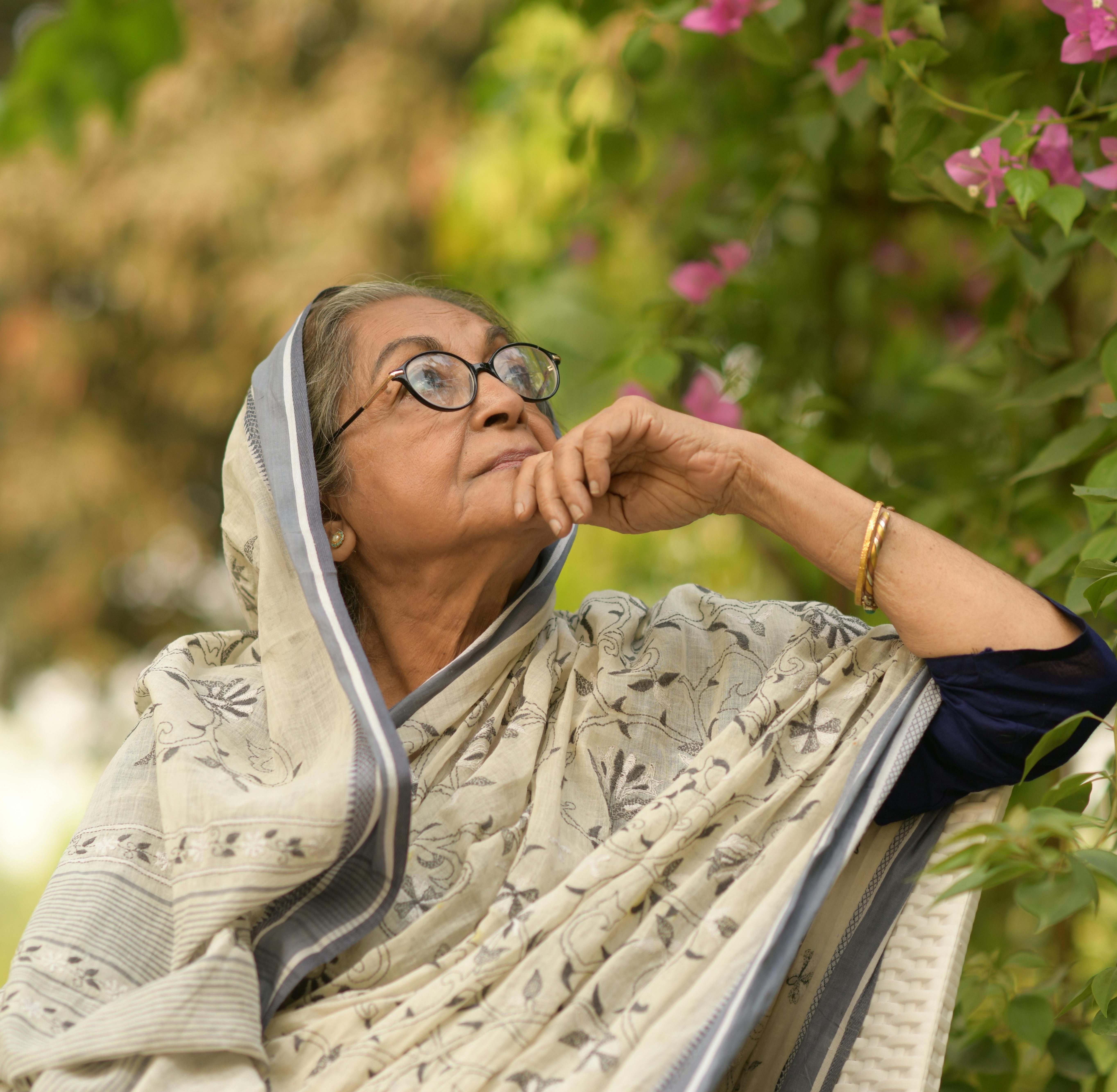
For women with lived experience of trauma, discrimination, or gender-based violence, engaging with healthcare may feel overwhelming without appropriate support.
Addressing these barriers improves access to care and helps women make informed choices about their heart health.
What are your risk factors for heart disease?
Many risk factors are similar across all women, but some may be more common or influenced by migration experiences.
Environment and lifestyle
- For newly arrived women, settlement stress, social isolation, and limited opportunities for exercise or community participation may also influence lifestyle patterns.
- Changes in diet after migration—such as increased processed foods, unhealthy fats, and sugary drinks—can increase weight, cholesterol, and blood pressure.
- Limited access to familiar foods or culturally preferred ways of cooking can make healthy eating more challenging.
- Reduced physical activity due to long work hours, caring responsibilities, safety concerns, or limited recreation spaces can increase risk.
Blood Pressure, Diabetes and Cholesterol
- High blood pressure, diabetes and high cholesterol can develop without any clear symptoms, which is why regular checks are important. These conditions increase your risk of heart disease, even if you feel well. This is especially important if you have never had routine health checks in your country of origin or if these conditions run in your family.
Smoking and alcohol
- Smoking rates vary widely across communities. In some, women smoke less; in others, smoking and/or exposure to second-hand smoke is a significant risk factor.
- In many cultures, women may not drink alcohol at all, which can be protective, so alcohol patterns differ culturally but they can still contribute to blood pressure and long-term risk.
Body weight and metabolic health
- Some women from South Asian, Middle Eastern and Pacific backgrounds can develop diabetes and heart disease at younger ages, and sometimes at a lower Body Mass Index. This means that even if your weight, height or waist measurement appear to be in the “normal” range, you may still be at higher risk and benefit from regular checks.
- Gestational diabetes is more common in several CALD groups and increases future heart disease risk, in addition to hypertension during pregnancy.
Stress and mental health
- There are other factors that include stress or limited access to family and support services may influence your mental health and this along with stress (which build up cortisol in your body) can influence heart risk.
- Migration stress, settlement difficulties, trauma, or social isolation can all increase heart disease risk through chronic stress pathways.
- Women settling without extended family support may carry a heavier emotional load, which can affect sleep, diet, and activity levels—all linked to heart health.
What are some everyday prevention strategies for women?
Small steps can make a meaningful difference, and they do not have to be complicated.
Have a Heart Health Check
The Medicare-funded Heart Health Check is generally available from age 45 and over for the general population. Women with a family history, risk factors, particularly diabetes or high blood pressure, should speak to their GP about a heart health check.
Know your numbers
Know your numbers: know what your optimal blood pressure, blood sugar and blood cholesterol levels should be. It would be also good to know what an optimal Body Mass Index (your waist measurement and height) so that you are in a healthy weight range. Our page on knowing your numbers has all this great information.
Quit smoking
Smoking affects your heart health, and even small reductions can make a difference. Many women from CALD and migrant communities do not smoke, but if you do, quitting can lower your risk of heart attack and stroke. It is also important to avoid second-hand smoke where possible, especially if you live in a busy or multigenerational household. Quitline offers interpreter-assisted support, and your GP can talk through options such as nicotine replacement therapy to help you stop safely.
Alcohol
Many CALD and migrant women choose not to drink alcohol for cultural or religious reasons, which can protect your heart health. If you do drink, even small amounts can increase your blood pressure over time and raise your risk of heart disease. Learning what counts as a standard drink and choosing to limit or avoid alcohol can support your wellbeing. Your GP and multilingual counselling services can offer guidance if you would like help reducing your alcohol intake.
Eat in a way that works for your culture
It is important to eat a healthy diet with plenty of fresh fruit and vegetables, whole grains, legumes, lean meats, fish and other proteins. Healthy eating does not mean giving up your cultural foods. Many traditional diets – including Mediterranean, Middle Eastern, East Asian, South Asian and Pacific cuisines – already include heart-healthy ingredients such as vegetables, herbs, spices, fermented foods and vegetable or olive oils. These foods can remain an essential and enjoyable part of your daily meals while supporting your heart health.
Helpful tips include:
- Choosing whole grains and legumes
- Using herbs and spices instead of salt
- Adding vegetables to traditional dishes
- Limiting fried and takeaway foods
Move your body
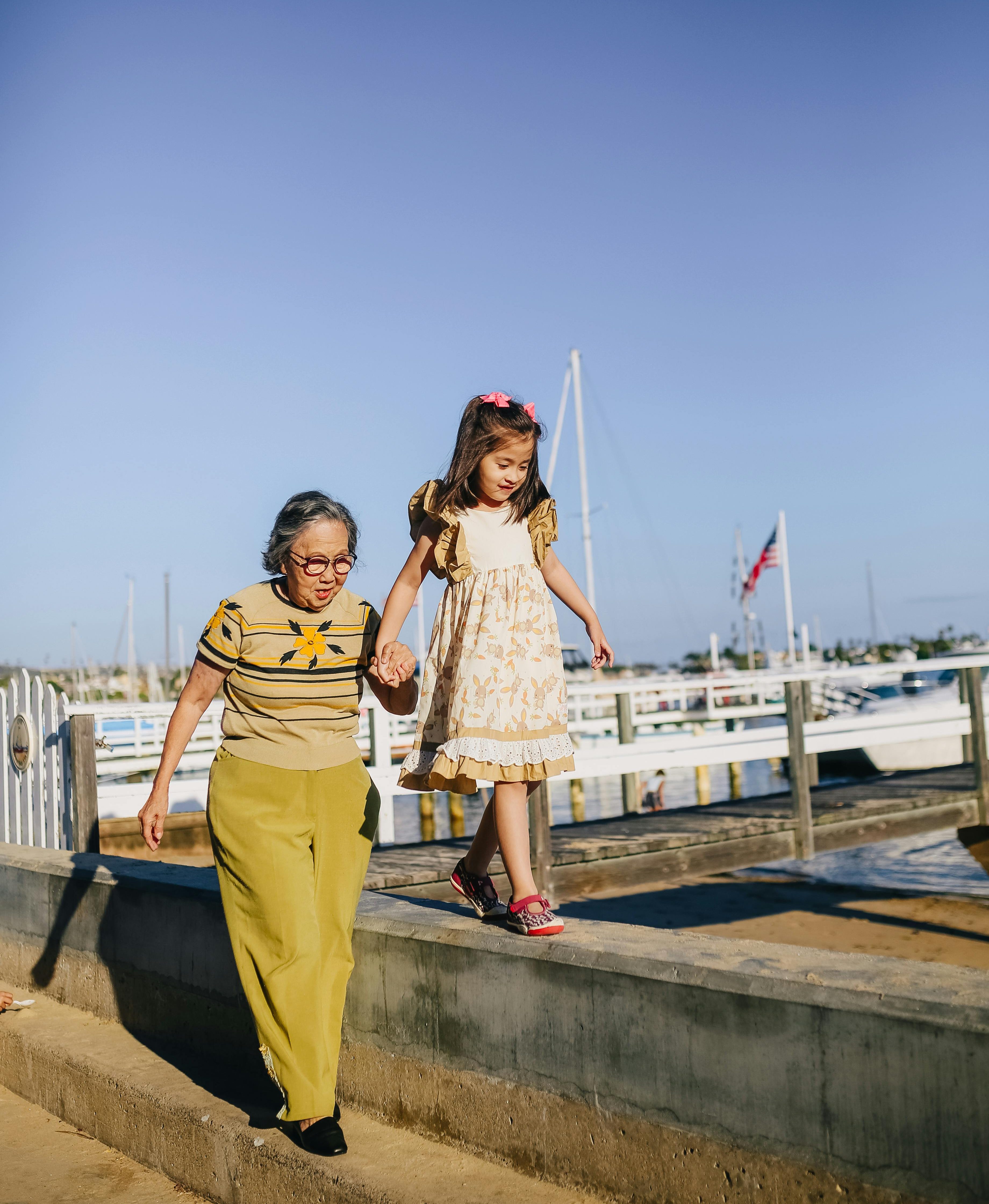
Aim for 30 minutes of moderate activity a day. Move around and exercise: it is important to get in about 30 minutes of moderate exercise daily, or 150 minutes per week. This can include walking, dancing, household chores, or community activities—movement that fits naturally into daily life can also include household chores or playing some sports with your children.
For some women, community groups, women-only exercise sessions, or walking with friends or neighbours can provide a safe and culturally comfortable way to stay active.
Manage stress
Connect with women in your family and community about your heart health. The more we learn from each other the more we able to support each other in our heart health journeys. Also, practicing cultural traditions, being connected to community groups so you are not isolated, or accessing mental health support can reduce the effects of long-term stress on you and also on your heart.
Community connection is especially important for migrant women, and joining cultural groups, women’s associations, or local programs can provide emotional support and reduce isolation.
What can clinicians do?
Clinicians play a key role in providing safe, respectful, and accessible care.

Use professional interpreters when needed—this ensures clear communication and supports accurate diagnosis and treatment.
Provide culturally sensitive care, recognising different beliefs, languages, and health practices.
Explain heart symptoms clearly, including how they may feel for women, as some symptoms are not always “classic" chest pain.
Encourage regular heart health checks, particularly for women with risk factors such as diabetes, high blood pressure, high cholesterol, or a family history of early heart disease.
Ask about cultural and social needs, including family responsibilities, preferred communication styles, and any barriers to attending appointments.
Connect women with community organisations—many CALD groups have strong networks that can help support lifestyle changes and access to services.
Clinicians should also check whether translated materials are available, ensure understanding through teach-back, and avoid relying on family members to interpret, especially for complex or sensitive issues.