
https://herheart.org/wp-content/uploads/2019/06/Linda__039a.jpg
400
247
Her Heart
Her Heart
https://herheart.org/wp-content/uploads/2019/06/Linda__039a.jpg


At the Heart of every woman
The 3rd of February 2017 marked an exciting step forward in women’s sport in Australia with the beginning of the official AFL Women's League. Whether you’re a footy fan or…

How I stay healthy during the festive season
While contemplating what I wanted to share with you this time of year, I was thinking about how our experience of the festive season seems to come in waves. First…

Depression Can Fuel Heart Disease in Midlife Women
Women in midlife with a history of depression appear at markedly greater risk of suffering from heart disease, new research suggests.The finding seems to reinforce the well-known link between depression and heart troubles, but it doesn't prove…

Stressed? … here’s 5 ways that I manage mine!
As some of you know, I have recently had a break away, reconnecting with family and friends overseas. I initially thought that I would write this next blog about the damaging effects of stress, as I think that as women we often keep pushing ourselves not realising that we aren’t being productive, we often wait too long to take holidays or have a break not realising when our “batteries” are flat.
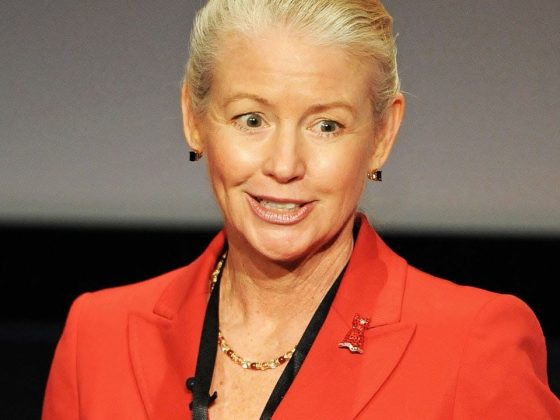
Many women not properly informed of heart risk by their doctors
Survey shows women are less likely to get recommended monitoring, often told to lose weight Source: American College of Cardiology, ScienceDaily, 23 March 2016

No Treatment for Leading Cause of Heart Failure in Women, Summit Hears
As there is no cure for the leading type of heart disease that kills women, women have been advised to take preventative measures. “They need to own this disease. Women’s health should be defined as women’s heart health.” Said Dr. Sharonne Hayes at Canada’s first summit on the crisis of women’s heart health.

One Woman, One Hour Dies
One in three Australian women dies every hour of heart disease (CVD). According to the World Health Organisation (WHO), one-third of all female deaths are due to heart disease and stroke, and rising. CVD deaths globally are higher than all cancers. In Australia awareness and funding remains a low priority as Government funding for CVD hasn’t increased for last three years, so why is this killer disease under the radar by federal and state governments today?