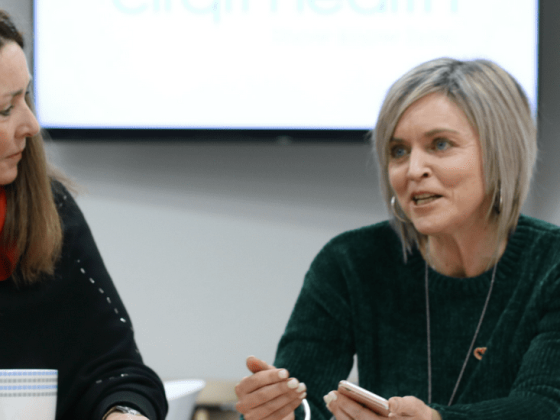
Recently, the Her Heart team were lucky enough to be joined by heart disease survivors and cardiovascular professionals to create a Video Series dedicated to heart disease in women.
Her Heart is so excited to hear the Victorian Heart Hospital in progress, which is set to turn around the statistic that heart disease is the single leading cause of…
(By the American College of Cardiology) Women are underrepresented in clinical trials for heart failure, coronary artery disease and acute coronary syndrome but proportionately or overrepresented in trials for hypertension, atrial fibrillation and pulmonary arterial hypertension.
(by Cathy O’Leary) Kayla Gerrans still cannot believe she came close to needing a heart transplant just because she was pregnant.
Only now —18 months after she collapsed with heart failure in a hospital carpark — can she talk about her brush with death when she developed rare pregnancy-induced heart failure.
(From the University of Illinois)
Risk for heart failure weeks after giving birth is a leading cause of maternal morbidity and death in the U.S. — with the rate of pregnancy-related deaths more than doubling between 1987 and 2011.
(By Aisha Dow)
Wearing multicoloured pyjamas, Lauren Przedworski weaved through crowds as she sprinted down Little Lonsdale Street.
She had barely managed to pull her shoes on as she slammed her apartment door behind her.
(originally posted by Harvard Health) Although about 20% of people with afib don’t notice any symptoms, it can trigger a range of unsettling problems. These include a fluttering or thumping sensation in the chest, breathlessness, dizziness, anxiety, weakness, fainting, confusion, and fatigue.
By Jennifer Clopton. Christine Shockey suspected she was having a heart attack when she awoke at 2 a.m. with excruciating pain shooting down her left arm.
But it took medical professionals 5 days to figure it out — a delay that changed her health forever.
Shockey went to the ER to have her pain checked out and told the doctors that 8 days earlier, her 43-year-old sister had a type of heart attack called spontaneous coronary artery dissection, or SCAD.
The mother of two living in Council Bluffs, IA, was 42 at the time, a runner with no known health or heart problems.