
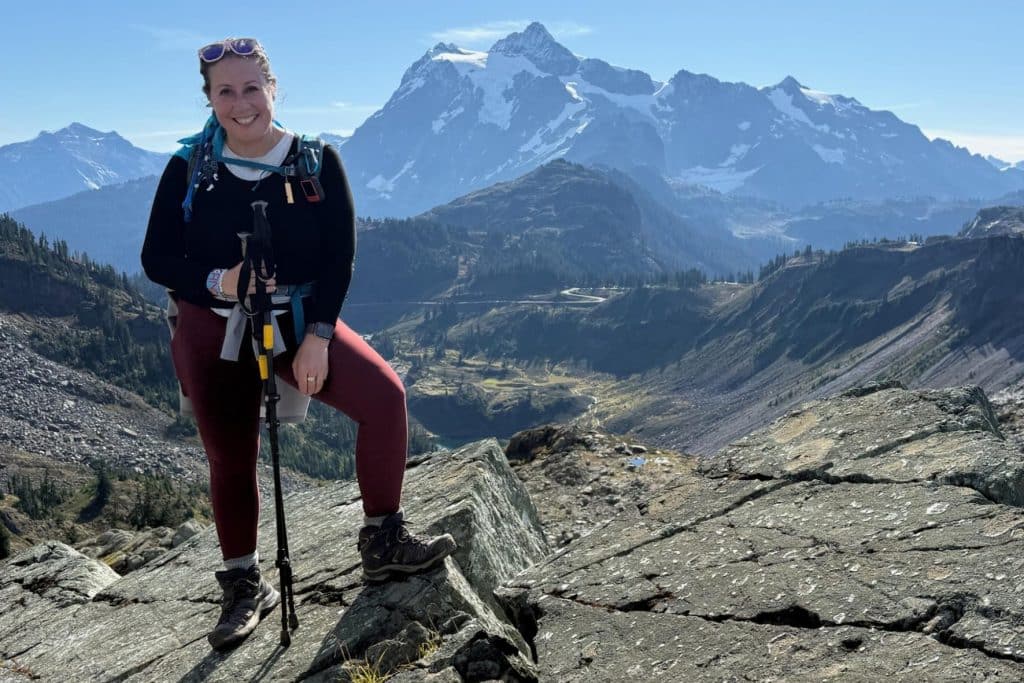
When Andrea Wilder shared her experience of discovering a serious blockage in an artery supplying blood to her heart on Substack, Andrea After All, her story resonated with us at Her Heart.
Her experience reinforces why women’s symptoms must be taken seriously, why listening to women matters and why every woman deserves timely, appropriate heart care.
Moved by her story, Andrea has agreed to share her experience with the Her Heart community, including the importance of recognising symptoms, asking questions and advocating for your health.
Andrea had always considered herself healthy and active. So when she began experiencing chest discomfort, she initially wondered whether stress, changes in her fitness or perimenopause might explain what was happening.
She describes the sensation as a squeezing feeling around her heart.
At first, she thought it might be stress-related. She had experienced similar symptoms during a stressful period earlier in her life, but this time felt different. The discomfort continued even when she wasn’t feeling stressed.
While out running with one of the girls she coached, she experienced dizziness, breathlessness and chest pain. She continued experiencing these episodes unexpectedly.
Andrea regularly exercised, lifted weights, hiked and walked. She wondered whether she was simply out of running shape, but something didn’t feel right. When she mentioned her symptoms to her sister, she encouraged her to get them checked out.
Unable to get an appointment with a cardiologist straight away, Andrea visited an urgent care clinic. The clinic referred her to an emergency department.
Initial investigations, including an ECG and blood tests, did not identify evidence of an acute cardiac event at that time.
However, these initial results did not rule out underlying coronary artery disease. She was referred to a cardiologist.
When Andrea eventually attended her appointment, she recalls being reassured that she didn’t fit the usual risk profile for someone likely to experience a cardiac event. She was generally healthy, active and didn’t smoke. But Andrea wasn’t convinced.
She explained that she’d been physically active throughout her life, completing marathons, ultramarathons, climbing mountains and participating in CrossFit.
She knew what it felt like to push her body physically and this felt different.
“
I may not be at high risk, but why am I feeling this?
”
Andrea continued asking questions and eventually a stress test was arranged. She remembers feeling that the cardiologist wasn’t taking her concerns seriously. The experience left her questioning her own symptoms.
She fully expected her stress test to come back normal. So when the doctor’s office called with abnormal results, she was surprised.
The test showed ECG changes consistent with ischaemia. Indicating that the heart muscle may not have been receiving enough blood and oxygen. Her cardiologist recommended further investigation and referred Andrea for a CT coronary angiogram.
When Andrea received her results, she learned that severe narrowing affected her left anterior descending (LAD) coronary artery. Her results revealed a narrowing of between 70 and 99 per cent.
She was devastated.
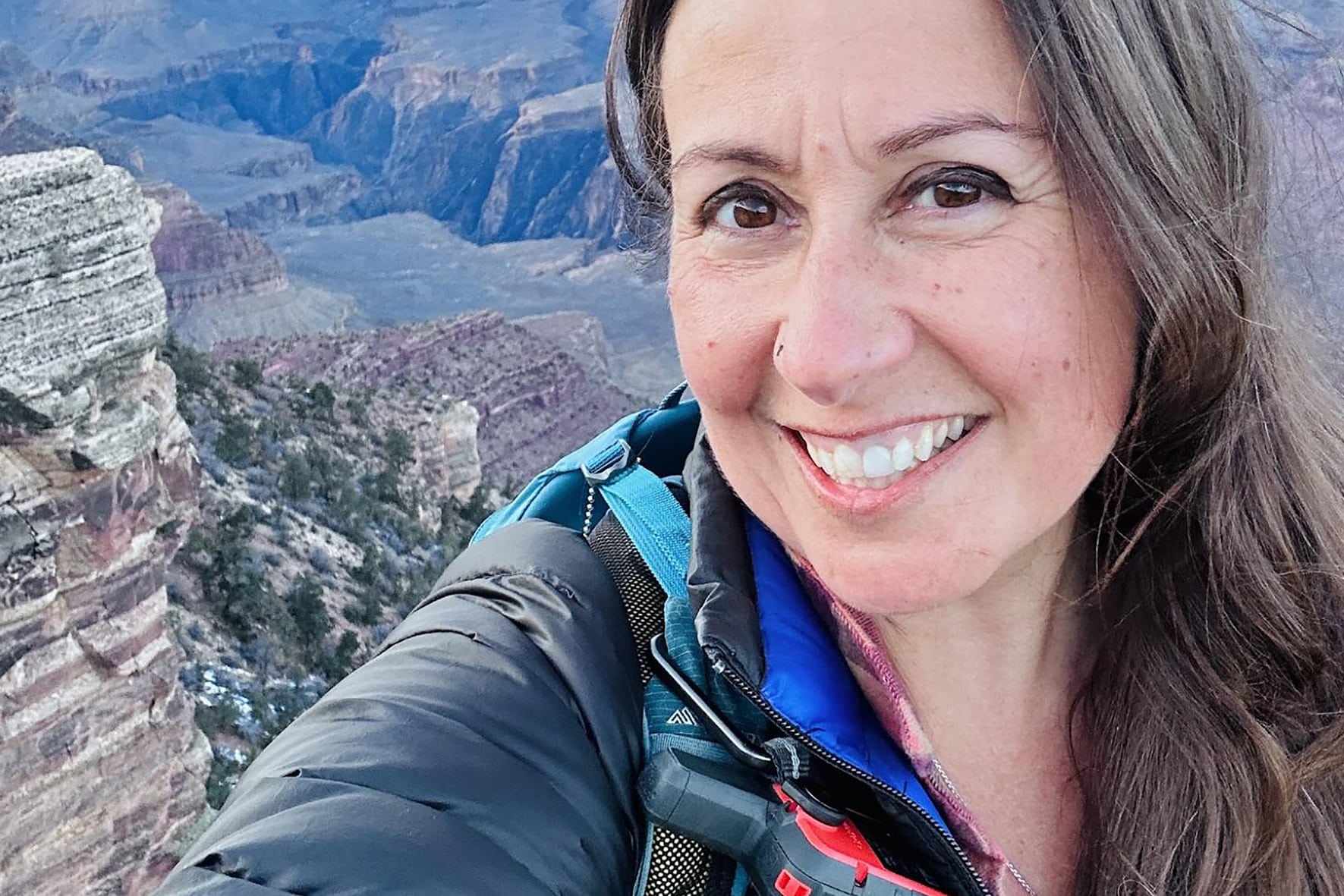
Andrea had always considered herself someone who did the right things for her health.
She exercised regularly, ate a largely plant-based diet and included plenty of vegetables in her meals. She couldn’t understand how this could be happening.
“
I did so many things right.
”
The diagnosis was confronting, particularly as she had always considered heart disease something that happened to other people.
But her experience was far from over.
A day after sharing her initial diagnosis, Andrea’s symptoms became more severe. Her chest pain was occurring more frequently and she began experiencing tingling in the fingers of her left hand.
This time, Andrea was admitted to hospital. Her medical team decided that she was no longer stable enough to wait for her scheduled procedure, which had been planned for two weeks later. Although the procedure was initially brought forward, a scheduling mix-up meant she had to wait another night before finally being taken to the cath lab.
Andrea underwent a coronary angiogram, during which a stent was inserted through an artery in her wrist. She reflected on the remarkable advances in modern medicine that allowed doctors to reach her heart and treat the blockage while she remained awake.
Initially, she felt relieved and grateful. She could breathe more easily and was eager to return home.
But recovery wasn’t quite as straightforward as she had imagined. Andrea faced a difficult recovery. She dealt with significant bruising, pain and exhaustion while also processing the emotional impact of her diagnosis.
She describes one particularly difficult day when the reality of living with heart disease finally hit her.
“
If I hadn’t pushed to get a stress test, I could have died.
”
The experience prompted Andrea to reflect more deeply on her health and the years leading up to her diagnosis. She recognised that genetics may have played a role. She also began considering how prolonged stress and lack of sleep affected her overall wellbeing.
Andrea describes years of pushing herself. Taking on new adventures and work commitments, often putting rest last.
In her second article, she reflects on how difficult it had become to switch off and how little sleep she had been getting. If she was really honest with herself, she knew her love of cheese, wine, and an occasional (or not-so-occasional sometimes) sweet had probably gotten a little out of hand.
Since her procedure, learning to slow down, prioritise sleep and allow herself time to recover has become an important part of her life. She shares that she is now sleeping seven to eight hours a night. Something she says had become almost unheard of for her.
She’s also returned to eating whole foods and following a plant-based diet, which she believes will support her long-term recovery and heart health.

Her reflections remind us that looking after our health involves more than diet and exercise.
Rest, stress management and recognising when we need to slow down are also important parts of our overall wellbeing.
Andrea’s experience has made her reflect on how easily women can dismiss their symptoms. Or accept reassurance when something doesn’t feel right.
She is grateful that she continued asking questions and pursued further investigations, but recognises that not every woman has the same access to healthcare or the opportunity to keep seeking answers. Her message to other women is clear. Don’t assume heart disease can’t happen to you, and don’t wait to take your health seriously.
“
Fight for your health. Fight for you.
”
Today, Andrea is focused on her recovery, following medical advice and making changes to support her health. She wants to spend many more years with her family and continue enjoying the adventures she loves.
We thank Andrea for sharing such a personal experience with the Her Heart community. To follow more of her healing journey, subscribe to her Substack, Andrea After All.
If you experience symptoms that concern you, seek prompt medical assessment. If you experience chest pain or think you may be having a heart attack, call Triple Zero (000) immediately and ask for an ambulance.